
The Evolution and Impact of Energy Drinks
Energy drinks have become a staple in the fast-paced lives of modern consumers, providing a quick and convenient source of energy. Initially targeted towards athletes and young adults, these beverages have diversified their audience, now catering to professionals, students, and practically anyone needing a caffeine boost.
Market Origins and Growth
The energy drink market saw its humble beginnings in the 1980s, with brands like Red Bull pioneering the trend. Since then, the market has exploded, with a plethora of brands offering unique flavors and enhanced energy formulas.
Key Players and Products
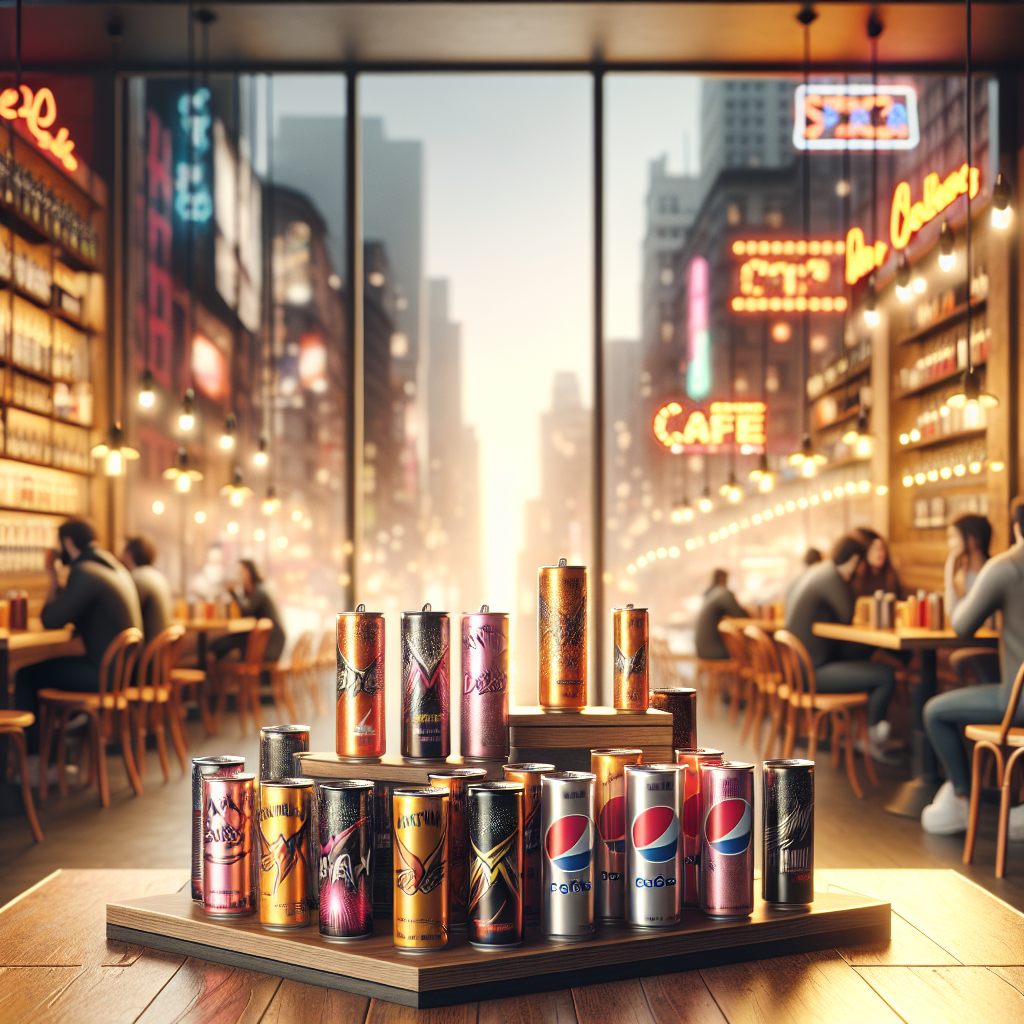
Red Bull remains a dominant force, but competitors like Monster and Rockstar have carved significant niches. These brands focus on aggressive marketing strategies, often aligning themselves with extreme sports and youth culture.
"The energy drink industry is not just about caffeine; it's about lifestyle." - Industry Expert
Health Concerns and Criticisms
Despite their popularity, energy drinks are often scrutinized for their health impacts. High caffeine and sugar levels have raised concerns among healthcare professionals. Regulations in some countries have attempted to limit consumption, especially among young people.
Consumer Perception and Cultural Impact
For many, energy drinks represent more than just a beverage; they embody a fast-paced, energetic lifestyle. However, the cultural shift towards health consciousness has led some consumers to seek healthier alternatives.
"Energy drinks: a symbol of modern hustle, but not without controversy." - Health Blogger
The Future of Energy Drinks
As the market continues to grow, innovation is key. Brands are exploring natural ingredients and sustainable practices to appeal to a more health-conscious demographic. The demand for energy is unlikely to wane, but how it is provided might evolve significantly.


